



Crest vs Coat of Arms: What's the Difference and Which Do You Actually Own?
The crest is just one part of a coat of arms. This guide explains each element, why 'family crest' is usually a misnomer, and how to find out what you're entitled to.
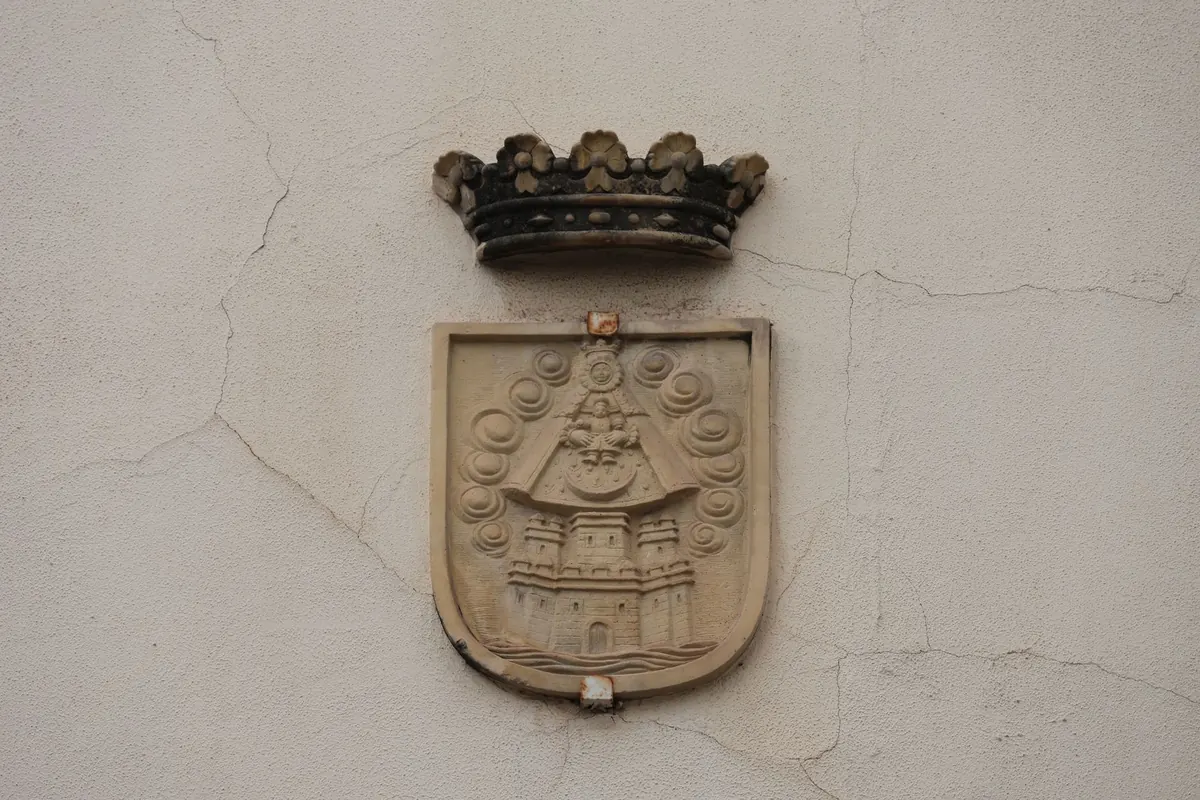
Ask someone to describe a family crest and they will often sketch a shield. That is the first clue that the words are used loosely. In heraldry, the crest is a specific, small element perched on top of a helmet. The shield is the centrepiece of something much larger: a coat of arms. Knowing the difference is not pedantry. It affects what you can rightly display, what you can buy, and what a heraldic authority will tell you if you ask.
Most people who say "family crest" mean the whole design. That leads to muddle. A seller may offer you "your family crest" with only a surname and a picture from an old book. Let us separate the parts.
The parts of a heraldic achievement
Heraldry uses the word achievement for the full display of arms. It can include several elements, though not every achievement has all of them:
- Shield (escutcheon): the main surface carrying the design, such as a lion on a blue field.
- Helm: the helmet above the shield, often shown in profile and decorated with a wreath and mantling.
- Wreath (torse): a band of twisted cloth, usually two colours, on which the crest sits.
- Mantling: the stylised cloth flowing from the helm, often cut into leaf-like shapes.
- Crest: the emblem mounted on top of the helm and wreath.
- Motto: a phrase, often on a scroll, which may appear above or below the shield.
- Supporters: figures such as lions or stags holding the shield, generally used by peers, knights, and corporate bodies.
- Compartment: the base on which supporters stand, sometimes a grassy mound or a scroll.
The shield alone is often called a coat of arms. The full achievement is the shield with its helm, crest, and other extras. The crest is never the shield.
What exactly is a crest?
A crest is the device that sits on the helmet. In a tournament, a knight's crest helped identify him above the crowd. It might be a lion's head erased, a boar's head couped, or a hand holding a sword. It is almost always shown on the wreath, with mantling flowing from beneath. The crest is a single, distinctive emblem. It is not the pattern on the shield. If you see a shield with three fleurs-de-lis and someone calls it a crest, they are using the word in its popular sense. In strict heraldry, the crest is only the bit on top.
What is a coat of arms?
A coat of arms is the full set of armorial bearings. The shield is the core. In British heraldry, arms are granted to one person, not to a surname. They descend in the male line, with differencing for younger sons and other cadets. So there is no automatic "family coat of arms" for everyone named Smith or Jones. A grant to a seventeenth-century ancestor does not mean every Smith today can use it. You need a genealogical link to the grantee, and you need to be the senior heir or to have a differenced version. The College of Arms and the Court of the Lord Lyon regulate this. In Scotland, the Lord Lyon has jurisdiction over misuse of arms. Elsewhere in the UK, the law of arms is more about courtesy and proper use. For legal advice, consult a solicitor or the relevant heraldic authority.
Why the confusion matters
Commercial pressure keeps the muddle alive. Online shops sell "family crest" plaques, rings, and prints. They often use a coat of arms from a published armorial such as Burke's General Armory, matched only by surname. That design may belong to a different family entirely, or to a family with the same name but no relation to you. It might be a foreign arms, or it might be invented. Buying it is not illegal in most of the UK, but it is not your arms. Displaying it can be misleading, and in Scotland using arms without authority is an offence.
Do you actually own a coat of arms? A practical check
If you want to know whether you have a legitimate claim, work through these steps:
- Look at family documents. Deeds, wills, bookplates, seals, silver, tombstones, and portraits may carry arms. Note any motto or crest and take clear photographs.
- Search published armorials. Books like Burke's General Armory list arms attributed to surnames, but they do not prove your descent. Treat them as leads, not proof.
- Contact the heraldic authority. The College of Arms and the Court of the Lord Lyon hold records of grants. They can confirm whether a grant exists and to whom it was made.
- Establish your lineage. A professional genealogist or the authority itself can help link you to a grantee. Without that link, you cannot claim the arms.
- Consider a grant. If no arms exist in your family, you can petition for a grant. This is a formal process, and there are costs. The College of Arms and Lord Lyon both grant arms to individuals. For legal advice on your own situation, consult a solicitor or the relevant authority.
Using a crest or arms properly
If you do have arms, use them carefully. The shield is the main identifier. The full achievement is appropriate for formal display. The crest alone can be used on personal items such as signet rings, stationery, or cufflinks, but it should not replace the shield on a formal document. Do not place a crest on a shield shape. That confuses two different elements. If you have differenced arms, use your version, not the undifferenced arms of the senior line. If you do not have arms, you can use a personal monogram or a non-heraldic emblem. Avoid presenting someone else's arms as your own.
What to do next
Start with your own family papers. Then contact the College of Arms or the Court of the Lord Lyon. Be sceptical of "family crest" products that offer no provenance. If you want arms of your own, apply for a grant. And if you simply love heraldry, enjoy it as an art form and a historical discipline without claiming arms that are not yours. The difference between a crest and a coat of arms is small in everyday speech, but it is the difference between a decoration and a right.